Secret Rooms and Hiding Places
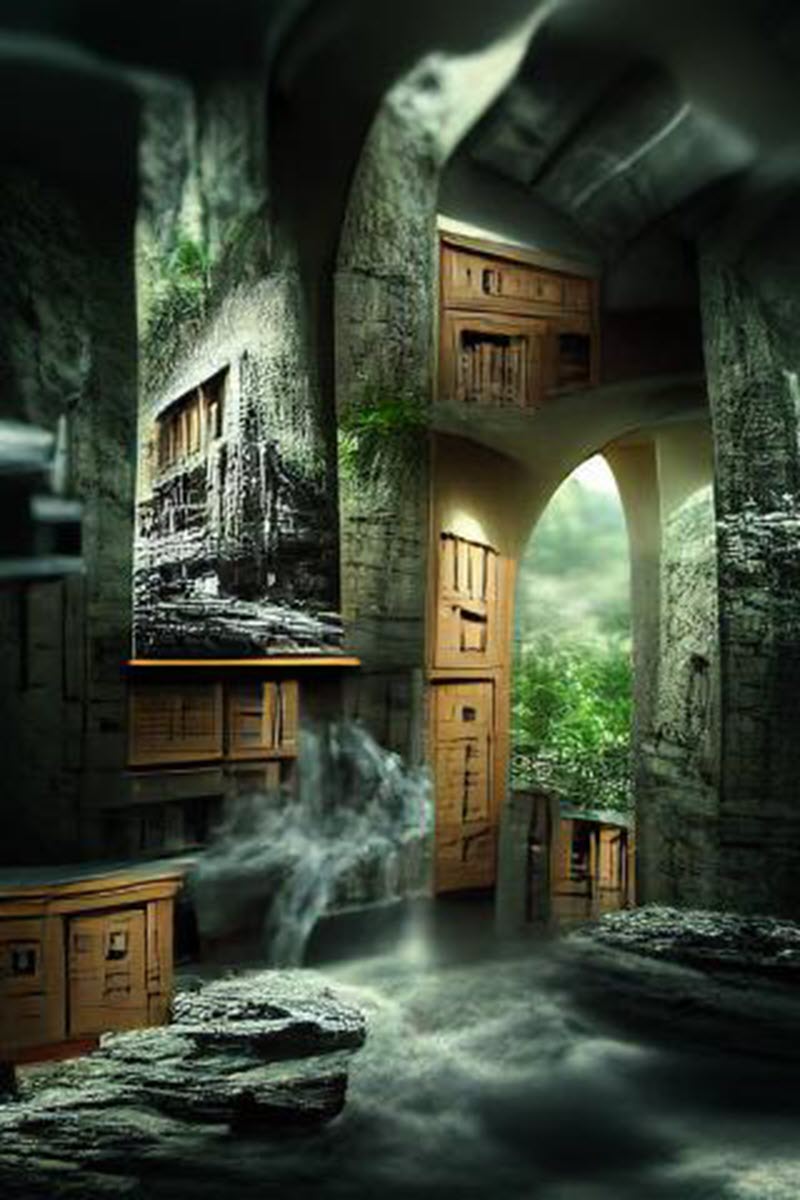
Secret Rooms and Hiding Places
In today's fairly peaceful times, most of us do not need to contemplate how we might be able to hide under the floor boards or in the wall in case rebels of government agents (as the case may be) came to find us. However the times were not always so peaceful and not long ago every British castle and important house had at least one hiding place and secret passage, the modern equivalent of a panic room.
Builders were employed to cleverly hide rooms and hidden passageways, crawl spaces and chambers. There were fake chimneys that led to hidden rooms, walls that slid open to reveal a secret passage, window sills that were really small coffin like enclosures where a man could hide until the danger had passed.
The reasons for needing such secret safe spots were many. During the protestant repression of Catholics in England, it was a capital offence for a Catholic priest to celebrate the Mass. And yet the faithful continued to pray and meet in secret, their priests hunted by the agents of the Crown. When they had to priests would scurry down priest holes hidden in walls and false partitions.
During the revolution that drove the King from power, British loyalists to the old order constructed hidden chambers and passageways to elude Cromwell's agents. When the monarchy was restored and the tables were turned, supporters of the Parliament had occasion to build hiding places.
Secret Room Behind a Bookcase
Almost every castle and house of any significance had these secret hiding places and chambers. And of course the hunters were well aware of these tricks and so took meticulous care to uncover them by sounding the walls, drilling holes and in some cases even setting fire to the house in order to smoke out their hidden quarry.
The story of these hiding places and the reasons that they were built is in a away to a study in the turbulent past of British history. One of the best books on the subject, which is reprinted here, is Secret Chambers and Hiding Places. The book surveys some of the most interesting secret rooms and the history of the people who used them.
In addition to being an historical curiosity, the secret room and hidden passageway has been a recurring motif in many works of fiction. No tale of Gothic horror could be complete without a hidden passage, or a door a book case that opens into a secret room when you pull on the right book.
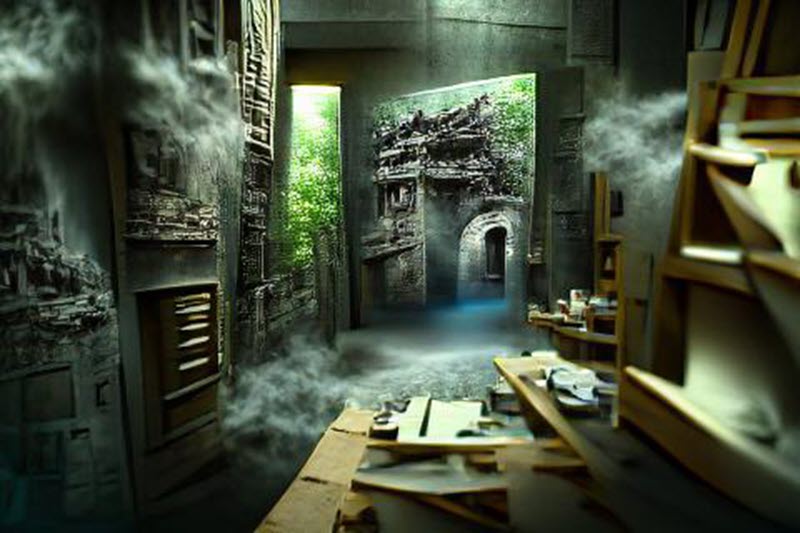
Click here to read the text online.
Home > Secret Rooms and Hiding Places > >
Chapter: [1] [2] [3] [4] [5] [6] [7] [8] [9] [10] [11] [12] [13] [14] [15] [16] [17]